Affordable High-ROI Commercial Remodel Ideas
As building owners seek high ROI remodels, Riley Riley Construction helps prioritize upgrades that boost revenue and minimize cost. Our recommendations focus on affordable, high-impact interventions that are easy to finance and quick to implement. Call 17207828897 to arrange a site assessment and receive a tailored ROI projection for your property. We present persuasive, data-backed plans that help stakeholders approve capital improvements.
When capital is limited and timelines are tight, every dollar invested in a commercial property should generate measurable returns. Riley Riley Construction specializes in identifying and sequencing affordable high-ROI commercial remodel ideas that increase rental revenue, reduce operating expenses, and elevate tenant satisfaction. Our approach combines market benchmarking, in-place condition surveys, and a clear capital-plan that shows payback timing and risk mitigation for each recommended intervention.
Why focus on affordable, high-impact upgrades?
Large-scale repositioning and full rehabs deliver value but are not always practical. Affordable, targeted upgrades often produce the most predictable and fastest returns because they remove friction for leasing, improve net operating income, and require minimal downtime. Owners who prioritize these interventions see improvements in occupancy, rent-per-square-foot, and tenant retention almost immediately when projects are chosen and executed properly.
Focusing on cost-effective measures also makes it easier to secure financing or convert improvements into tenant-paid allowances, short-term loans, or energy-efficiency rebates. By aiming for projects with clear operational savings and revenue upside, building owners can improve overall asset value without the extended approval cycles and tenant displacement often tied to larger remodels.
Affordable, high-ROI commercial remodel ideas that deliver
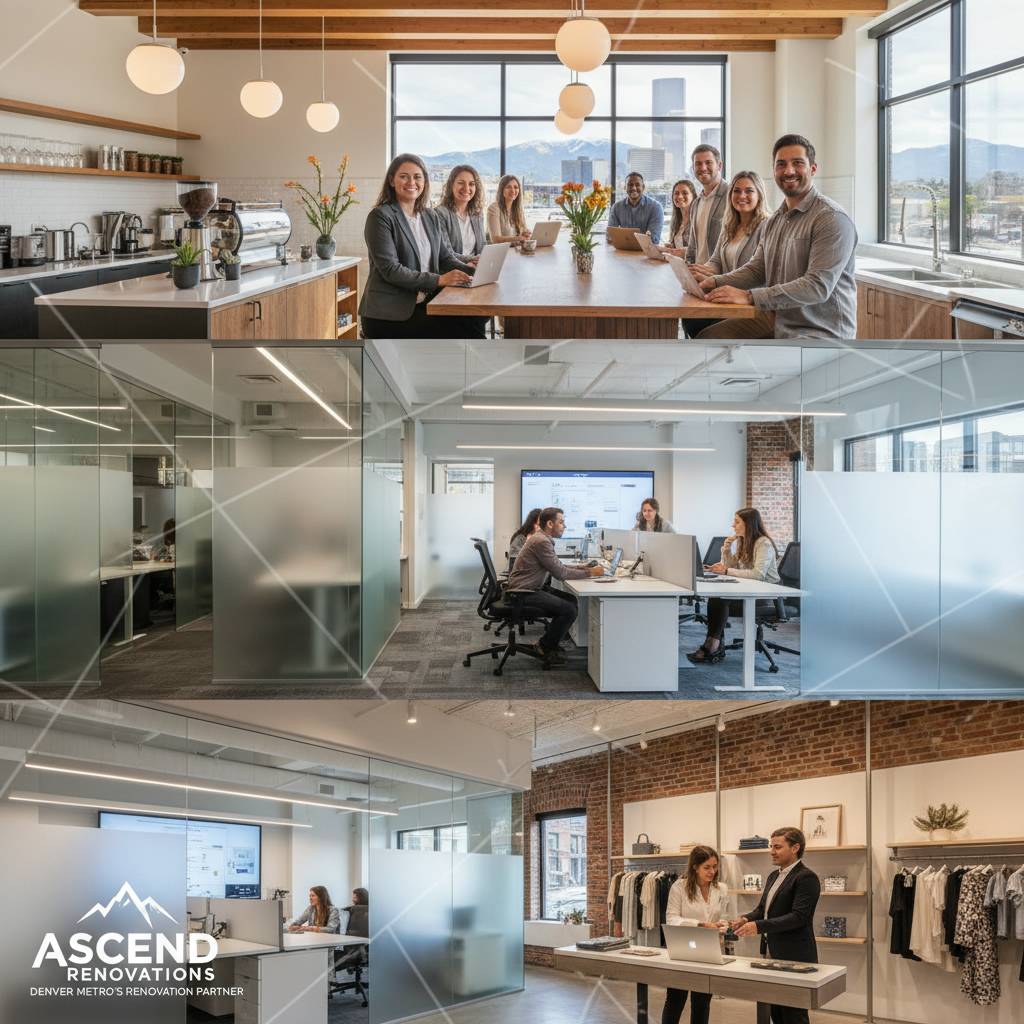 Below are practical interventions that consistently show strong return-on-investment in a variety of commercial property types. Each option is selected for its combination of low-to-moderate capital cost, short disruption period, and measurable impact on revenue or operating expense.
- LED lighting retrofit - Replace outdated fixtures with LED solutions and add lighting controls. Energy costs drop and fixtures last significantly longer; typical cost per fixture varies but many projects are completed in days with utility rebates covering a portion of the investment.
- Upgrade common-area finishes - Refresh lobbies, corridors, and restrooms with durable, modern finishes. A refreshed first impression increases perceived value and can support rent premiums for new leases.
- Improve HVAC controls and zone optimization - Smart thermostats and zoning reduce energy consumption and improve occupant comfort. Modest upgrades often lead to measurable utility savings within the first year.
- Enhance exterior curb appeal - Low-cost landscaping, signage improvements, and pressure washing dramatically improve marketability. These interventions are inexpensive relative to the leasing uplift they can produce.
- Install flexible tenant fit-outs - Create versatile suites that accommodate multiple tenant sizes with plug-and-play elements. This reduces vacancy days and attracts a broader tenant pool.
- Upgrade security and access control - Modern access systems and better lighting in parking areas increase tenant satisfaction and perceived safety, which supports retention and leasing velocity.
- Improve restrooms and pantry areas - Targeted upgrades like touchless fixtures and durable surfaces improve hygiene perception and reduce maintenance calls, often for $1,500-$15,000 depending on scope.
How Riley Riley Construction evaluates and prioritizes projects
We begin with a short assessment that identifies low-cost, high-impact measures and quantifies their expected outcomes. Our scoring system considers capital cost, implementation time, tenant disruption, measurable revenue impact, and operational savings. This prioritization ensures that stakeholders can see a clear waterfall of value and choose a sequence of projects that balance risk with return.
During assessment we gather lease expirations, rent roll gaps, and tenant amenity requests alongside building condition data so the recommended plan aligns with market demand. For example, if most upcoming renewals are within 12 months, we recommend quick, visible upgrades that change perception and strengthen lease negotiations, whereas for a stabilized building approaching repositioning we may allocate budget to more substantive common-area enhancements.
Metrics we track
To make approval straightforward, every recommendation includes these core metrics: estimated capital cost, expected increase in effective rent or occupancy, annual operating expense savings, simple payback period, and projected uplift to asset value. Owners receive a one-page ROI summary for each measure, enabling rapid comparison when allocating limited capital.
Real-world examples and projected outcomes
Examples help stakeholders visualize results and reduce perceived risk. Below are anonymized case examples that reflect typical outcomes for common interventions. Each case includes practical details on cost, timeline, and measurable results so building owners understand what to expect.
- Case A - Suburban office building: LED retrofit and upgraded lobby finishes. Project cost $35,000. Result: increase in effective rent on turnover leases and reduction in lighting energy costs. Simple payback less than 2.5 years.
- Case B - Multi-tenant retail strip: Exterior refurbishment, signage consolidation, and added landscaping. Project cost $45,000. Result: leasing velocity improved, vacancy reduced from to within 6 months; new tenant rents aligned at market, increasing NOI by .
- Case C - Small industrial flex park: Added flexible fit-outs and upgraded access control. Project cost $28,000. Result: attracted two tech-adjacent tenants, reduced vacancy days, and realized a uplift in monthly rent per suite.
| Intervention | Typical Cost Range | Expected Uplift | Estimated Payback |
|---|---|---|---|
| LED lighting and controls | $2,500-$50,000 | 10[%-25%] lower energy costs | 1-3 years |
| Common-area refresh | $5,000-$75,000 | 2[%-7%] rent premium | 2-5 years |
| Exterior and landscaping | $1,500-$40,000 | Improved leasing velocity | 0.5-3 years |
| HVAC controls upgrade | $4,000-$60,000 | 5[%-15%] energy savings | 2-4 years |
Financing options that make low-cost projects easier
 Capital constraints should not be a barrier to high-return investments. Owners can use a combination of strategies to fund small-to-mid sized projects, including short-term bridge financing, vendor financing, capital leases, energy-efficiency rebates, and tenant improvement pass-throughs. Layering these options often lowers out-of-pocket expense and shortens the approval window.
We help owners structure proposals that are finance-ready, showing lenders and boards clear cashflow benefits and risk controls. For energy-focused upgrades, available rebates and tax incentives frequently reduce net costs and improve payback timing. When tenant-funded allowances are an option, we align improvements to lease windows to avoid redundant spend and maximize leverage of tenant commitments.
Practical funding approaches
- Use utility rebates and state incentives to reduce project cost before financing.
- Bundle multiple small projects into a single vendor contract to access better pricing and financing terms.
- Offer a small tenant contribution in exchange for immediate occupancy upgrades; this often speeds lease execution.
Implementation roadmap: from assessment to measurable results
An efficient implementation roadmap keeps disruption low and results visible. Our standard process starts with a concise site assessment, followed by a prioritized scope, a financing and procurement plan, then phased construction with tenant communications. Each phase has acceptance criteria tied to measurable outcomes so stakeholders can see performance against targets as work completes.
Phasing matters: start with quick wins to build confidence and generate cashflow improvements while planning larger items. Quick wins like lighting and signage typically require little coordination, while HVAC and fit-out work should be scheduled to minimize tenant downtime and align with lease turnovers. We prepare a communication packet for tenants and property managers to set expectations and protect relationships during the work.
Stakeholder presentation tips
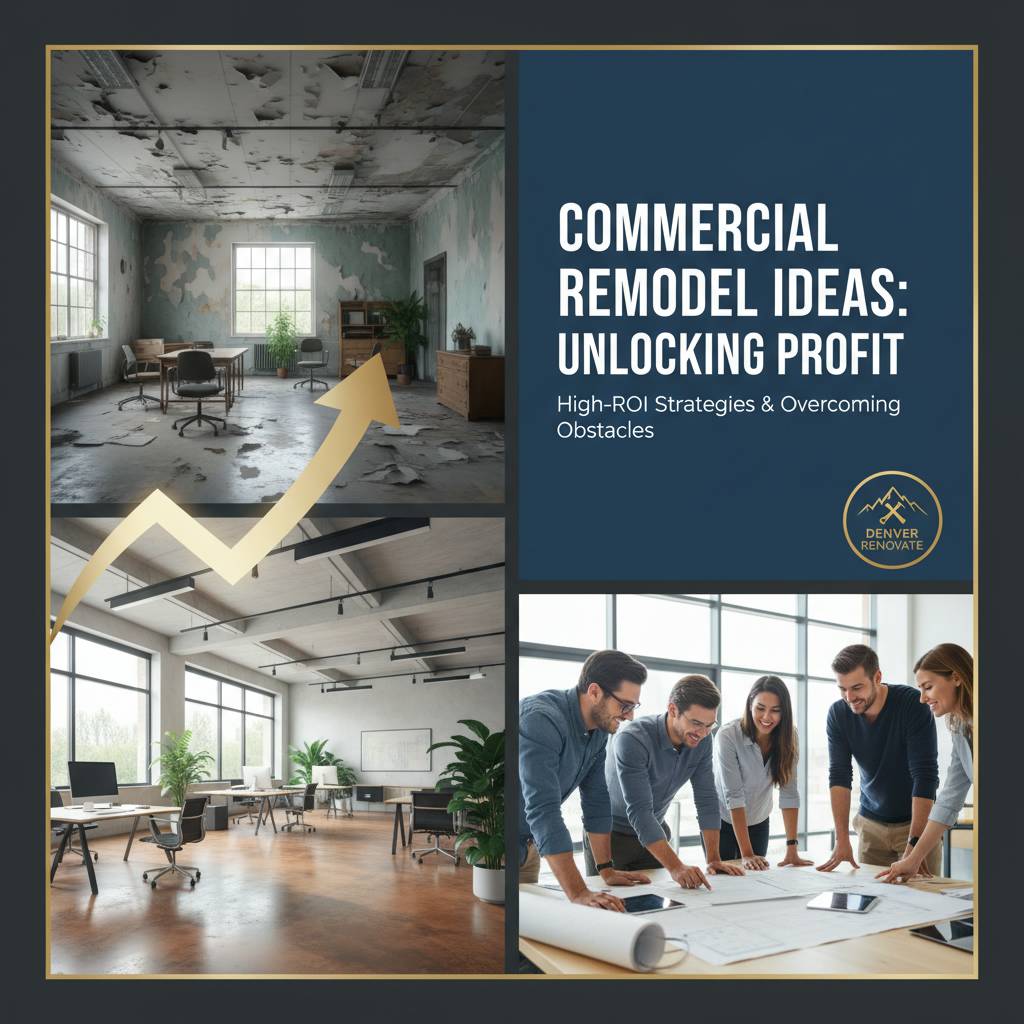
When seeking approval from boards or capital committees, frame proposals around net operating income, payback period, and tenant retention impact. Visuals-before and after photos, a one-page ROI sheet, and a short timeline-are more persuasive than long narratives. Including contingencies and a clear vendor selection approach reduces perceived risk and increases the likelihood of expedited approvals.
Maintenance, durability, and preserving gains
High-ROI upgrades should be paired with a maintenance plan that preserves returns. Selecting durable finishes, establishing preventative maintenance routines, and training on new systems (for example, lighting controls or building access software) prevents early performance degradation and reduces total cost of ownership. A well-maintained asset remains attractive to tenants and reduces future capex needs.
We recommend documenting warranties, vendor service agreements, and a 36-month performance review for every project. This review checks that energy savings, rent gains, and tenant satisfaction align with projected outcomes. If performance lags, corrective measures are identified quickly so the asset achieves the expected financial uplift.
Common objections and how to address them
Typical pushback includes concerns about upfront cost, tenant disruption, and the durability of returns. Each concern is addressable with data: present clear payback calculations, phase projects to limit tenant impact, and reference case studies with documented results. By focusing on measurable outcomes and low-risk financing, owners can often secure approval sooner and with less executive friction.
Another frequent concern is whether upgrades will be market-appropriate. To mitigate this, we benchmark against local comps and tenant demand, ensuring recommended improvements align with what prospective tenants value. A relatively small investment executed correctly often moves an asset ahead of competitors and shortens vacancy periods.
Next steps: a practical offer
Riley Riley Construction offers a focused, no-surprise site assessment that identifies 3-7 affordable high-ROI commercial remodel ideas tailored to your property. The assessment includes cost estimates, a prioritized implementation plan, and a one-page ROI projection for each recommendation. This deliverable is designed to be presentation-ready for boards, lenders, and tenants.
To schedule an assessment and receive a customized ROI projection, contact Riley Riley Construction today. Ask for if you prefer a localized point of contact who can walk the property and answer questions on site. We will provide a clear sequence of affordable, financing-friendly interventions that protect tenant relationships and accelerate value creation.
Call 17207828897 to arrange your site visit and start turning modest capital into measurable gains. We look forward to helping you prioritize upgrades that boost revenue, minimize cost, and move your asset forward.