
Cost-Effective Tenant-Ready Renovations to Boost Rent
Preparing your property to attract higher-paying tenants
Preparing a space to attract higher-paying tenants requires strategic, cost-effective renovations and Riley Riley Construction knows which upgrades yield the best rent premiums. Whether you manage a single multifamily building or a portfolio of mixed-use properties, the right improvements focus on finishes, systems, and layouts that appeal to quality renters while minimizing tenant improvement costs. This guide lays out practical steps, realistic price ranges, and a straightforward process to speed leasing and increase net operating income.
The goal is simple: invest where returns are measurable. Small adjustments to lighting, flooring, and kitchen finishes often produce disproportionately large increases in perceived value. Larger investments - HVAC, plumbing, or reconfigured floor plans - should be chosen selectively where market demand and lease projections justify the expense. Throughout, we emphasize cost-effective tenant-ready renovations to boost rent and occupancy.
Know your target tenant and market dynamics
Successful renovations start with a clear understanding of who will rent the space. Families, young professionals, and downsizers value different features. Conduct a quick tenant profile assessment: income range, desired amenities, commute patterns, and typical lease lengths. This informs everything from appliance selection to closet space and whether to prioritize in-unit laundry or community amenities.
Analyze comparable properties and current asking rents in your submarket. Look beyond top-line rents - study vacancy trends, days on market, concessions, and tenant reviews. These signals reveal which upgrades are already driving premiums and where a modest investment pays off. When uncertain, prioritize changes that improve utility and durability first, then layer in higher-impact aesthetic upgrades.
High-impact, cost-effective upgrades that consistently increase rent
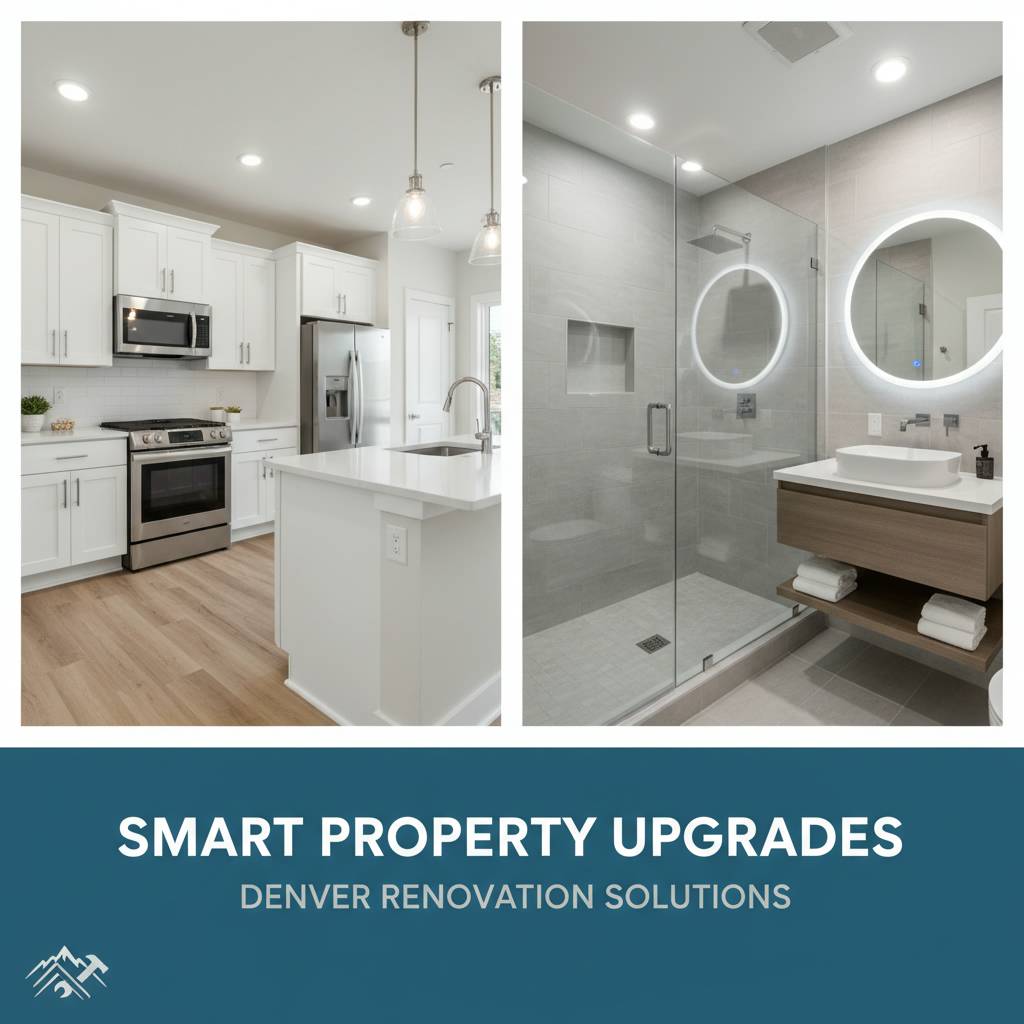 There are repeatable renovation categories that yield reliable rent premiums. Focus on three buckets: finishes, essential systems, and layout/functionality. Finishes change perception quickly; systems reduce maintenance and liability; layout upgrades increase utility and perceived space. Together they create tenant-ready units that justify higher asking rents with lower time-to-lease.
Finishes that elevate perceived value
New finishes are often the fastest way to improve first impressions. A modest spend on durable flooring, refreshed kitchens, and modern lighting can transform a unit without massive structural work. Consider the following practical, cost-conscious upgrades:
- Luxury vinyl plank flooring: $75-$200 per unit area (depending on scope) - durable and modern.
- Quartz or engineered stone countertops in kitchens: $300-$800 per installation - long-term appeal and low upkeep.
- Mid-tone paint and trim packages: $200-$600 per unit - neutral palettes broaden market appeal.
- Modern, energy-efficient LED lighting and fixtures: $100-$400 - improves ambiance and utility costs.
- Updated cabinet hardware and faucet replacements: $50-$200 - low cost, high perceived upgrade.
These finishes are designed to be resilient for rental use while creating a contemporary look that tenants equate with higher quality - often enough to justify rent increases of 5-15% depending on the market.
Systems upgrades: lower operating cost and higher desirability
Tenants and property managers both benefit from reliable systems. Upgrading items like HVAC controls, water heaters, and electrical panels reduces maintenance calls and can attract higher-quality renters who prefer predictable utilities and comfort. Prioritize efficiency and longevity over short-term cosmetic changes when budgets are limited.
- Smart thermostats and zoned HVAC upgrades: $150-$800 per unit - can support modest rent premiums and lower utility disputes.
- Tankless or high-efficiency water heaters: $500-$1,500 - reduces energy costs and appeals in eco-conscious markets.
- LED retrofits and energy-efficient appliances (ENERGY STAR): $200-$1,000 - improves operational expense and marketing appeal.
Systems investments also reduce vacancy downtime by limiting emergency repairs. When possible, bundle system upgrades with cosmetic work so units can be marketed as fully refreshed and move-in ready.
Layout and functionality: maximize usable space
Smart, small layout changes can have an outsized impact. Open-plan kitchens, added storage, and in-unit laundry make apartments more marketable. When full reconfigurations aren't feasible, focus on solutions that maximize perceived space and convenience.
- Open sightlines between kitchen and living area through partial wall removal: $1,000-$5,000 depending on structural work.
- Closet and storage built-ins: $200-$1,200 - increases usability without major cost.
- Stackable washer-dryer installs or laundry hookup readiness: $300-$1,200 - significant rent pull in many markets.
These changes not only raise rent potential but also improve retention, as tenants tend to renew leases when the unit layout aligns with daily living needs.
Prioritizing upgrades: a tactical decision framework
With limited budgets, prioritize investments by projected rent uplift, cost, and impact on time-to-lease. A simple scoring matrix can guide decisions: assign scores for lease premium potential, durability, tenant appeal, and implementation speed. Weight the factors according to your objectives - for example, if rapid lease-up is essential, increase weight on speed and tenant appeal.
Basic rule of thumb when allocating funds: 60% toward finishes and functional items that directly affect tenant experience, 30% to systems that reduce operating costs, and 10% toward softening and staging expenses that shorten marketing time. This split can be adjusted for age of the property and tenant profile, but it keeps investments focused on tenant-ready improvements that generate measurable returns.
Cost examples and projected returns
Below is a compact comparison table showing common upgrades, estimated per-unit cost ranges, and typical rent premium ranges experienced in many markets. These are illustrative figures and should be tailored to local conditions and unit size.
| Upgrade | Typical Cost Range | Typical Rent Premium |
|---|---|---|
| Flooring (vinyl planks) | $75-$200 | 3-7% rent increase |
| Kitchen refresh (cabinets, hardware, counters) | $1,000-$5,000 | 5-12% rent increase |
| Smart thermostat / HVAC tune-up | $150-$800 | 2-5% rent increase |
| In-unit laundry install | $300-$1,200 | 7-15% rent increase |
| Full paint and lighting package | $200-$600 | 3-6% rent increase |
These ranges reflect common outcomes: low-cost finishes often provide immediate perceived value, while systems and appliance additions can command higher premiums when they solve a persistent tenant pain point. Combine multiple small upgrades for compounded increases rather than betting the budget on a single large item.
Streamlined implementation: timelines, contractors, and staging
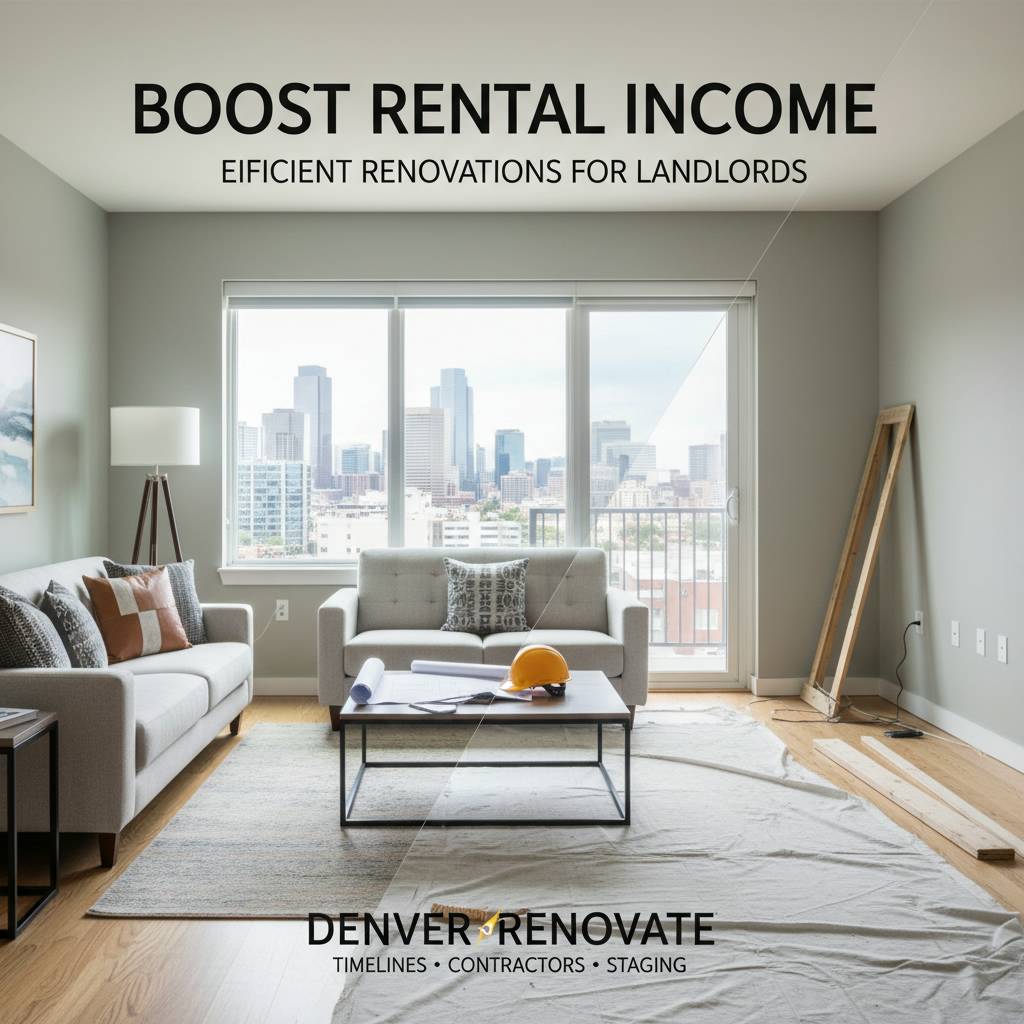 Reducing time out-of-service is as important as cutting costs. Plan renovations to minimize vacancy days and coordinate trades to work in parallel where safe and practical. A typical tenant-ready turnaround for a moderate cosmetic refresh is 7-14 days per unit; more extensive work such as kitchen replacement or layout alteration will take longer and should be scheduled to limit portfolio disruption.
Choose contractors with rental experience - they understand quick turnovers, tenant notice requirements, and are familiar with durable material choices. Require clear scopes, fixed bids where possible, and a timeline with penalties for unjustified delays. Staging and professional photography are low-cost touches that accelerate leasing once work completes, especially when combined with pre-marketing to prospective tenants.
Tenant-ready program: how Riley Riley Construction approaches upgrades
Riley Riley Construction builds tenant-ready programs that align renovation scope with projected rent increases and time-to-occupancy. We start with a targeted audit of your units, identify upgrades with the highest rent uplift per dollar spent, and produce persuasive proposals showing projected rent increases and realistic timelines. These proposals give ownership clear ROI expectations before work begins.
When appropriate, works with property managers to stagger renovations and test-market a few completed units at higher rents. This real-world validation helps refine finish standards for the rest of the portfolio and reduces the risk of over-improving. The result is a repeatable, cost-effective approach to raising rents and decreasing vacancy periods.
FAQs: practical concerns landlords and managers have
How do I decide between replacing or repairing?
Repair when systems still have several years of reliable life and the cost is moderate. Replace when the expected repair cost approaches half the replacement cost or when downtime and repeated maintenance calls erode tenant satisfaction. For finishes, prioritize replacement if wear is visible during showings - perception matters.
Will small upgrades really change tenant behavior?
Yes. Tenants often make decisions based on first impressions and convenience. Updating flooring, light fixtures, and counters creates an immediate perception of quality that can translate to faster leasing and willingness to pay higher rents. Combine visual upgrades with functional improvements (like smart thermostats and laundry) for stronger impact.
How should I measure success?
Track key metrics: days on market, concessions, rent achieved versus targeted rent, maintenance call volume, and renewal rates. Compare these metrics pre- and post-renovation. In most cases, a program focused on cost-effective tenant-ready renovations to boost rent will show improvements across these indicators within one leasing cycle.
Case example: converting a slow-turn unit into a premium listing
A property manager in a mid-sized market had two vacant one-bedroom units lingering for 90 days. Riley Riley Construction recommended a $3,500 refresh per unit: new vinyl plank flooring, quartz counters, refreshed paint, new lighting, and a smart thermostat. Total outlay was modest relative to expected returns.
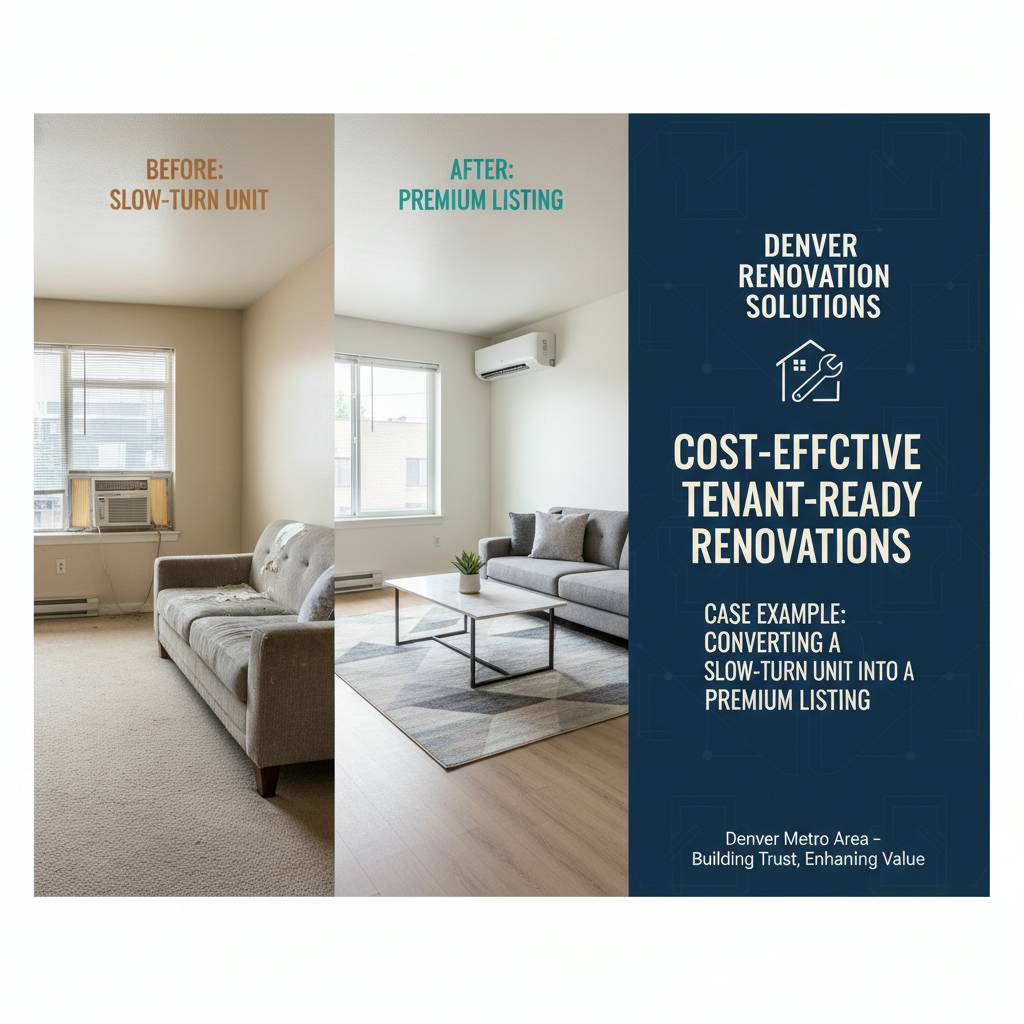
Units re-listed after a 10-day turnaround and leased within 12 days at rents 10% higher than prior comparable shows. The combined outcome: faster occupancy, higher achieved rents, and reduced projected downtime for subsequent units when the same package was rolled out portfolio-wide.
Next steps and quick-start checklist
If you want to begin, here's a short checklist to prepare: document current rent and vacancy numbers; select 1-3 model units for pilot upgrades; get fixed bids for prioritized work; align photography and marketing with completion dates; and set measurable leasing goals. This checklist helps you move from analysis to execution without overcommitting upfront.
- Audit current units and market comps
- Choose pilot units and scope of work
- Obtain bids and finalize timeline
- Execute renovations and stage units
- Measure results and scale successful packages
Ready to accelerate leasing and increase rents?
Call Riley Riley Construction at 17207828897 to discuss a tenant-ready program tailored to your portfolio. We provide persuasive proposals with projected rent increases and realistic timelines so you can make informed decisions that move the needle for your income and occupancy.
For a concise consultation and a no-obligation audit of your property's highest-return improvements, contact Riley Riley Construction today. Our team will help you prioritize cost-effective tenant-ready renovations to boost rent while keeping tenant improvement costs under control.
We look forward to partnering with you. Reach out to Riley Riley Construction at 17207828897 to get started.