Common Commercial Property Issues Lowering Profits
Common property issues like inefficient HVAC, poor lighting, and outdated finishes erode profits and Riley Riley Construction specializes in diagnosing them
Commercial property owners face a range of physical and operational problems that quietly reduce net operating income. At Riley Riley Construction, we focus on diagnosing the most impactful issues-those that hurt occupancy, increase utility bills, accelerate maintenance, or degrade tenant satisfaction. Our approach emphasizes quick wins that deliver measurable NOI improvement and longer-term investments that protect asset value.
Whether you own a single retail strip, a multi-tenant office building, or an industrial park, understanding the most frequent causes of lost revenue is the first step to recovery. This guide outlines the typical problems, practical interventions, and a diagnostic framework you can use to prioritize work. It also shows how Riley Riley Construction creates a prioritized improvement plan tailored to your property and budget.
Top operational and physical issues that reduce profits
Many owners are surprised by how a small number of persistent problems produce outsized financial drag. These are the common commercial property issues lowering profits that we encounter most often: inefficient HVAC systems, inadequate lighting, dated finishes that depress rents, roof and envelope failures, and poorly planned tenant spaces. Each problem affects revenue differently-through higher operating expenses, lost rent, or accelerated capital expenditures.
Inefficient HVAC and controls
HVAC systems consume the largest share of a building's energy in most climates. Aging equipment, oversized or undersized units, poor zoning, and lack of modern controls can inflate utility expenses and create tenant complaints. Replacing equipment is sometimes necessary, but often upgrading controls, tuning systems, and improving maintenance practices can reduce costs substantially.
Common interventions include programmable thermostats, demand-controlled ventilation, variable-frequency drives (VFDs), and proactive refrigerant charge and airflow correction. These can yield energy savings of 10%-40% depending on baseline conditions and typically offer attractive payback periods.
Poor lighting and outdated fixtures
Lighting affects both operating costs and tenant experience. Old fluorescent or HID systems are inefficient and can create an unwelcoming workspace. Converting to LEDs, adding daylighting strategies, and optimizing lighting controls-such as occupancy sensors and daylight harvesting-reduce energy use and often improve perceived space quality.
LED retrofit projects frequently deliver energy reductions of 40%-70% and can pay back in 1-3 years in many installations, in addition to lower maintenance costs and improved light quality that supports higher rents.
Outdated finishes and tenant fit
Worn floor coverings, dated lobbies, and tired restrooms can suppress achievable rents and slow lease turnover. Strategic cosmetic improvements targeted at common areas and high-visibility tenant spaces often produce a strong return because they directly impact first impressions and perceived property value.
Rather than wholesale renovation, Riley Riley Construction recommends targeted updates-such as reception upgrades, restroom refreshes, and corridor lighting improvements-that align with market positioning and lease-up timelines. These are typically lower cost than full remodels and can increase effective rent activity quickly.
Envelope, roof, and water intrusion
Roof failures and envelope defects create not only repair expenses but also tenant disruption and potential litigation. Water intrusion is one of the fastest ways to erode asset value. Regular roof inspections, targeted repairs, and upgrades to flashing and sealants are preventive measures that protect NOI and reduce emergency capital demands.
How to prioritize improvements that increase NOI
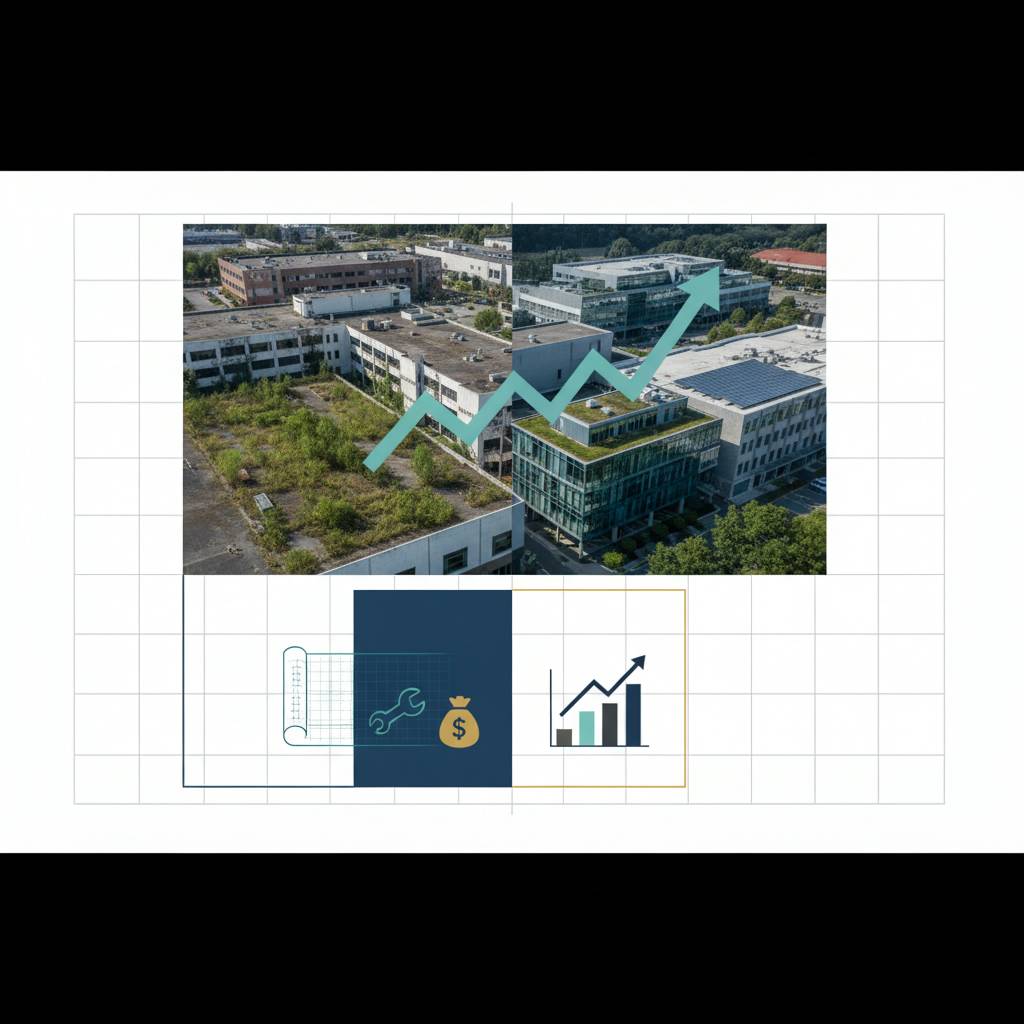 Prioritization is critical-capital is finite, and owners need to know which projects produce the biggest NOI uplift per dollar spent. Riley Riley Construction uses a balanced evaluation that includes financial metrics, tenant impact, risk reduction, and operational feasibility. The goal is to produce a ranked list of interventions that optimize immediate cash flow and preserve long-term value.
Key evaluation criteria
- Financial return: simple payback and internal rate of return on energy and maintenance savings.
- Impact on rent and occupancy: improvements that enable higher rent or reduced downtime come first.
- Risk mitigation: projects that reduce catastrophic risk (roof, envelope) often move up the list even if direct ROI is modest.
- Tenant experience and retention: measures that materially improve comfort or safety can reduce turnover.
Applying these filters helps separate cosmetic work from revenue-producing upgrades. For many assets, the low-hanging fruit-lighting, controls, and maintenance fixes-wins the highest priority because they are low cost and deliver immediate NOI uplift.
Five-step prioritization process
- Audit: measure current performance (energy, maintenance backlog, tenant complaints).
- Model: estimate cost, savings, and payback for candidate projects.
- Rank: weigh projects using the evaluation criteria above and owner constraints.
- Plan: create a phased implementation schedule with budget timing and tenant coordination.
- Execute and measure: track results against baseline and adjust future phases based on outcomes.
Diagnostic services and methods used by Riley Riley Construction
Accurate diagnosis requires measurements, not guesses. Riley Riley Construction performs comprehensive property evaluations that identify both visible defects and hidden inefficiencies. Our process combines visual inspection, metered data collection, and targeted diagnostic tools to produce an actionable report with prioritized recommendations.
What an evaluation typically includes
- Site walk with building staff and stakeholders to document issues and tenant feedback.
- Utility bill analysis to identify abnormal usage patterns and baseline energy intensity.
- Thermal imaging and blower door tests where envelope or roof issues are suspected.
- Lighting and HVAC audits with spot measurements and control evaluations.
- Capital needs assessment that ties condition issues to replacement timing and estimated costs.
The output is a prioritized improvement plan with estimated costs, expected savings, and recommended implementation sequence. We document assumptions so you can see how each recommendation affects cash flow and NOI. Where appropriate, we also identify opportunities for incentives and rebates that reduce owner cost.
Typical costs and expected financial outcomes
Project costs and paybacks vary widely by building type and condition. Below is a representative comparison to help set expectations. These are illustrative ranges intended to guide early planning; Riley Riley Construction will provide site-specific numbers after a full audit.
| Issue | Typical Fix | Estimated Cost | Typical Payback |
|---|---|---|---|
| Inefficient lighting | LED retrofit controls | $75-$200 per fixture | 1-3 years |
| HVAC controls | Smart thermostats, sensors, VFDs | $500-$5,000 per unit/zone | 2-5 years |
| Roof repairs | Patch, resealing, membrane replacement | $1,000-$50,000 depending on scope | Varies; prevents large future costs |
| Restroom and lobby refresh | Fixtures, finishes, lighting | $3,000-$50,000 | Often less than 5 years via higher rents |
These ranges show that many improvements can be staged to match available capital. Short-payback items are ideal for immediate NOI improvement, while larger capital work can be scheduled to coincide with lease turnovers or reserve funding cycles.
Practical repair and upgrade suggestions you can act on now
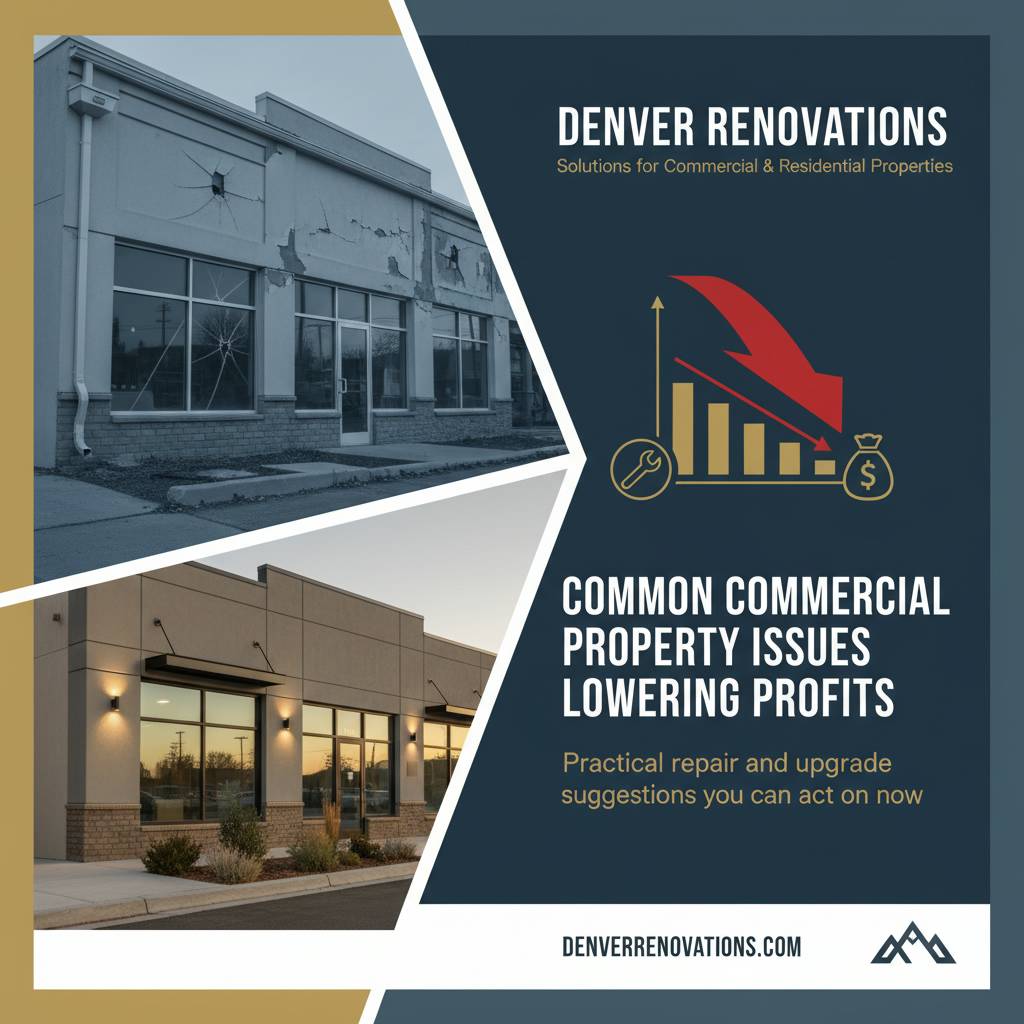 Not every owner needs a major capital campaign to get results. Below are pragmatic steps that often produce measurable value with limited disruption and modest spend.
- Start with a lighting retrofit in common areas and parking-fast to install and highly visible to tenants.
- Tune up HVAC: clean coils, balance airflow, check refrigerant charge, and replace aging belts and filters.
- Improve controls: install setback schedules, occupancy sensors in low-use spaces, and centralized monitoring for recurring alarms.
- Address quick envelope repairs: seal gaps, repair flashing, and inspect roof drains to prevent water penalties.
- Refresh tenant-facing finishes selectively-focus on lobbies, restrooms, and exterior signage that drive first impressions.
Each intervention should be sequenced to minimize tenant disruption. Often, minor upgrades can be performed during off-hours or in coordination with routine maintenance windows.
Case studies: measurable improvements in NOI
Real examples illustrate the power of targeted work. These short case studies show how diagnostic clarity and prioritization can transform underperforming properties.
Office building HVAC optimization
A 120,000-square-foot suburban office property experienced rising vacancy and tenant complaints about inconsistent temperatures. After a Riley Riley Construction audit, we prioritized controls upgrades, coil cleaning, and a phased replacement of two oversized chillers. The project reduced energy use by 28% and improved tenant comfort scores. Net operating income rose due to lower energy bills and improved lease renewals within 18 months.
Retail center lighting and facade refresh
A neighborhood retail center had dated storefronts and dim parking areas that depressed foot traffic. A targeted lighting retrofit, new signage, and a refreshed facade increased visibility and reduced lighting expenses by 45%. Within one year, several tenants reported higher sales and the owner negotiated modest rent increases on new leases.
Frequently asked questions
How quickly will I see NOI improvements?
For many energy-focused projects like LED retrofits and basic HVAC tuning, you can see measurable utility reductions immediately-typically within one billing cycle. Tenant-attraction measures such as lobby refreshes may take longer to translate into higher rents, usually observed over renewal cycles or lease turnovers within 6-18 months.
What if I have limited capital for upgrades?
Prioritize short-payback projects first. Lighting and controls often require low upfront capital and deliver immediate savings. Another option is to phase work and use energy savings to fund subsequent phases. Riley Riley Construction also evaluates available incentives and performance-based financing that can reduce or defer owner capital outlay.
Do these upgrades require tenant sign-off?
Tenant notification and coordination are important for shared systems and spaces. Cosmetic upgrades in common areas typically require minimal disruption, while HVAC and electrical work may need scheduled access. Riley Riley Construction includes a tenant coordination plan in every proposal to reduce friction and keep tenants informed.
Next steps: schedule an evaluation and receive a prioritized plan
If you suspect any of the common commercial property issues lowering profits are affecting your asset, start with a professional evaluation. Riley Riley Construction conducts comprehensive audits that produce a clear, prioritized improvement plan focused on maximizing NOI and protecting asset value. Our recommendations emphasize cost-effective fixes and measurable outcomes.
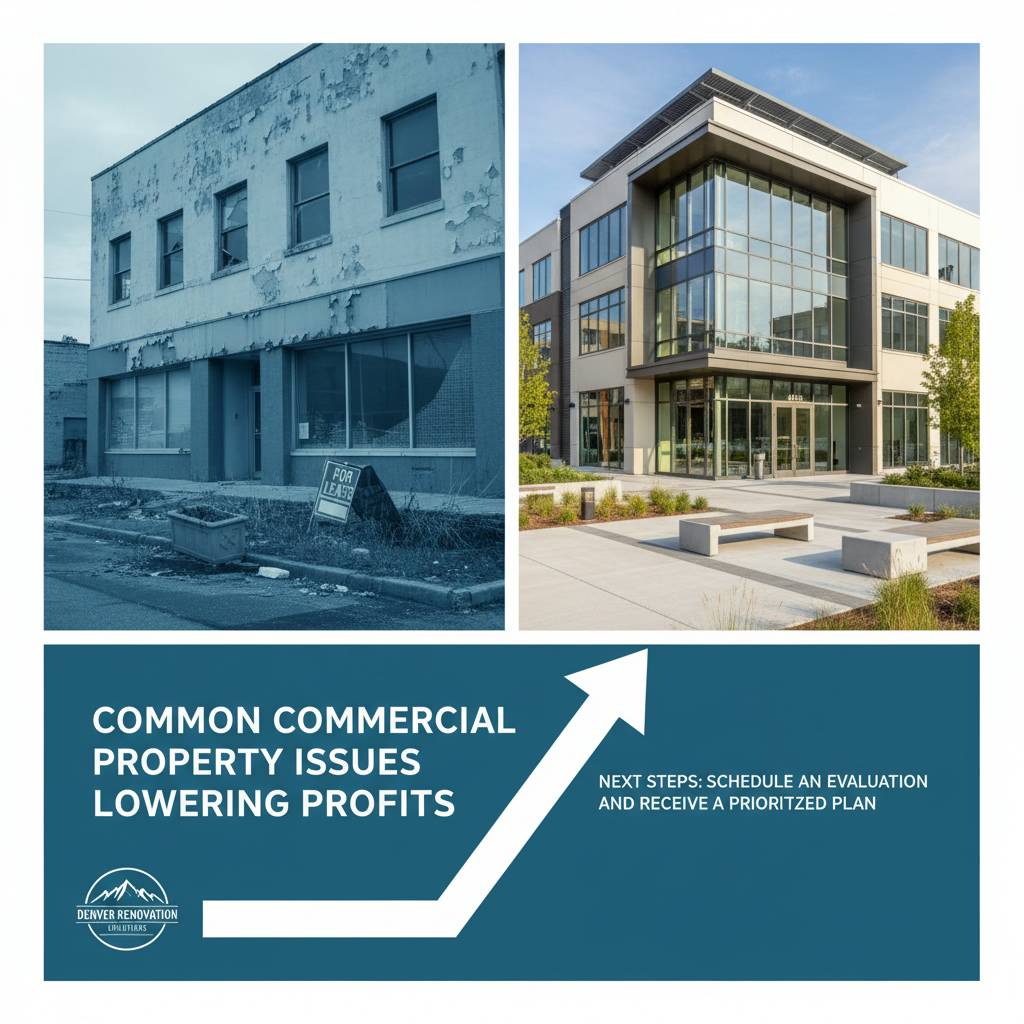
Contact Riley Riley Construction today to schedule a property evaluation and receive a prioritized improvement plan tailored to your building and budget. We will walk you through the expected costs, likely savings, and implementation timeline so you can make informed decisions.
Call 17207828897 to arrange your property assessment.
We look forward to helping you protect and grow revenue through targeted repairs and upgrades. Reach out to Riley Riley Construction at 17207828897 to get started.