
How Commercial Renovations Increase Customer Conversions
Renovations that improve customer flow, lighting, and signage can materially increase conversions and Riley Riley Construction documents those effects with case studies. We design targeted interventions that enhance customer experience and average spend. Call 17207828897 to explore renovation strategies that boost conversions in your space. Our engaging, evidence-based approach helps retailers and service businesses capture more revenue.
Every retail or service environment is a journey: customers move through entrances, browse, interact with staff, and decide to purchase or leave. At Riley Riley Construction, we study how commercial renovations increase customer conversions by refining the physical cues that guide behavior. Thoughtful changes to layout, illumination, and wayfinding replace friction with clarity, and the result is measurable improvement in both conversion rates and average transaction value.
Why customer flow, lighting, and signage matter
Customer flow, lighting, and signage each shape perception and behavior in distinct ways, but they work together to form the overall experience. Flow determines whether customers naturally find high-margin zones or feel lost; lighting signals quality, highlights merchandise, and sets mood; signage communicates options, promotions, and trust. When these elements are aligned, customers move more confidently and spend more time engaging with your products or services.
Research and field studies consistently show that small, targeted renovations can yield outsized returns. Improvements in lighting can increase perceived product quality and encourage exploration, while intuitive signage reduces friction and speeds decision-making. Understanding how commercial renovations increase customer conversions means treating the store or service environment as a conversion funnel and testing changes that remove obstacles and amplify attention where it matters most.
Designing targeted interventions: a step-by-step approach
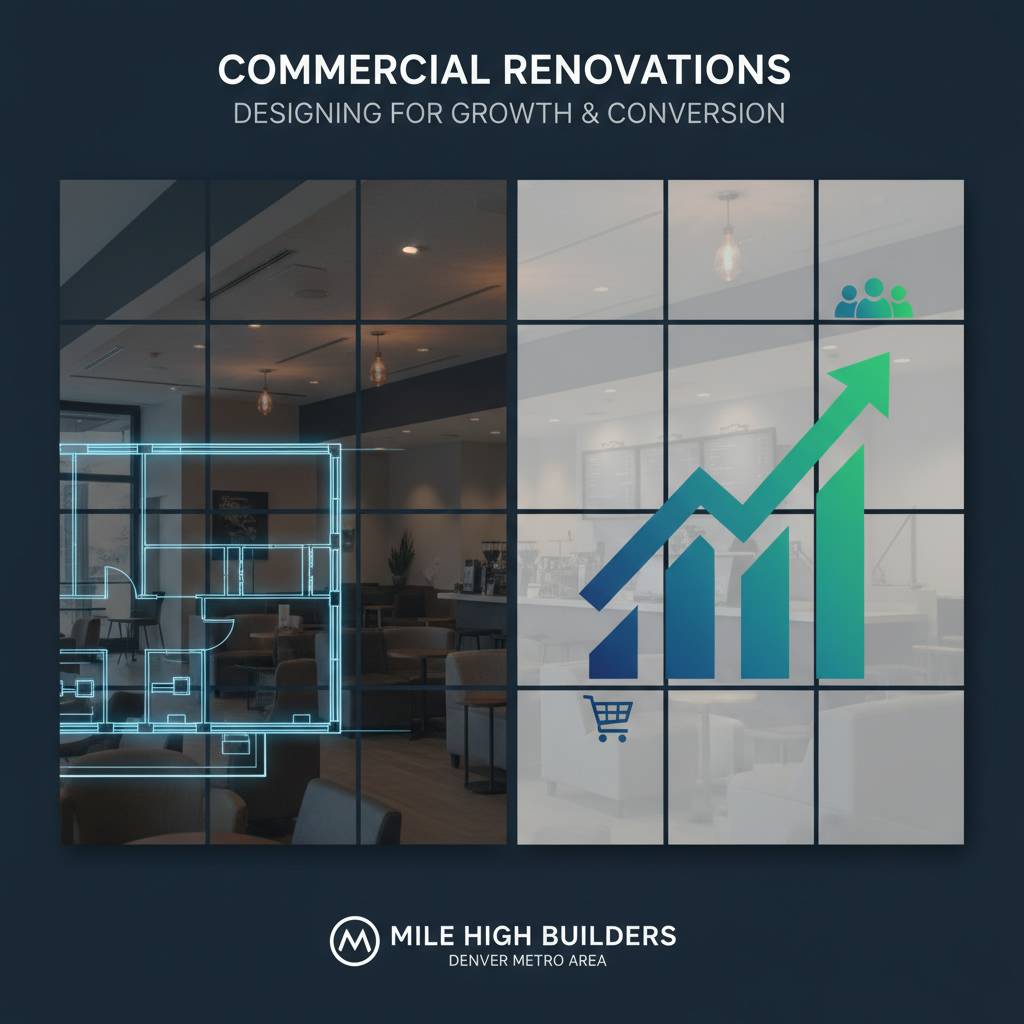 A methodical approach helps ensure renovations focus on what will move the needle. Start with observational research: map typical shopper paths, note bottlenecks, and record dwell times in critical zones. Combine this with sales heatmaps and POS data to identify underperforming areas that could benefit from light, signage, or layout changes. Prioritize interventions that address the most friction for the largest number of customers.
Once priority areas are identified, prototype low-cost changes where possible. Simple measures such as re-angling displays, adding directional signage, or swapping fluorescent fixtures for warmer LED panels can be trialed in days. Use A/B style testing across similar locations or time-blocked trials to evaluate effects on conversions. This iterative process reduces risk and documents the precise impact of each change.
Core interventions and expected impacts
- Flow redesign: Opening sightlines to high-margin categories and reducing crowding at checkouts typically increases conversion and basket size.
- Layered lighting: Combining ambient, task, and accent lighting improves product visibility and perceived value, often raising purchase intent.
- Clear signage: Wayfinding and promotional signs that use concise language and hierarchy decrease decision time and support impulse purchases.
- Touchpoint optimization: Improving seating, trial areas, or fitting room lighting directly impacts dwell time and follow-through.
Evidence from case studies: real results, documented
Riley Riley Construction maintains a library of case studies showing how focused renovations produce measurable gains. In one regional apparel chain, we reworked customer flow by moving clearance racks away from main aisles, reconfiguring displays, and installing warm accent lighting in new arrivals sections. The combined intervention produced a 12% lift in conversion in the first quarter and a 9% increase in average order value, verified against a holdout store.
Another clinic-style service provider increased new client bookings by improving exterior signage for clearer services listing, enhancing interior wayfinding, and installing brighter, natural-toned lighting in consult rooms. The clearer path from street to reception reduced drop-offs for walk-ins and increased follow-through from consultations to booked treatments by 17% over six months. These outcomes illustrate how modest capital investments can produce sustained revenue gains.
Short case example: small grocery store
A 3,500 square foot grocery used a phased renovation: brighter LEDs in produce, strategic signage for meal solutions, and a reorientation of the impulse zone near the checkout. The investment was $15,000 for fixtures and signs, plus $6,000 for labor and redesign. Within two months, front-end sales rose by 8% and overall basket size improved by 5%. Management tracked the lift to specific SKUs highlighted by the new lighting and signs.
Budgeting, timelines, and expected ROI
Budgeting for renovations should balance impact and feasibility. Typical small-to-medium interventions range from quick wins costing $75-$200 per signage fixture and $500-$2,000 for lighting retrofits per zone, up to larger layout and structural changes that may run $10,000-$75,000 depending on scale. Prioritize high-leverage changes first, and plan phased rollouts to preserve cash flow while measuring results.
Timelines vary by complexity. A signage refresh and lighting swap can be completed in 1-3 weeks, while a reconfigured floor plan with construction work may require 4-12 weeks. Allocate time for discovery, prototyping, implementation, and post-renovation measurement. A disciplined post-opening measurement plan-tracking conversions, dwell time, and AOV-turns subjective improvements into quantitative proof that supports expansion and replication.
| Intervention | Typical Cost | Typical Timeline | Expected Lift |
|---|---|---|---|
| Directional and promotional signage | $75-$200 per sign | 1-2 weeks | 3%-10% conversion lift |
| LED lighting retrofit (per zone) | $500-$2,000 | 1-3 weeks | 5%-15% product uplift |
| Flow reconfiguration (fixtures, aisles) | $5,000-$25,000 | 3-8 weeks | 8%-20% conversion lift |
Implementation checklist and practical tips
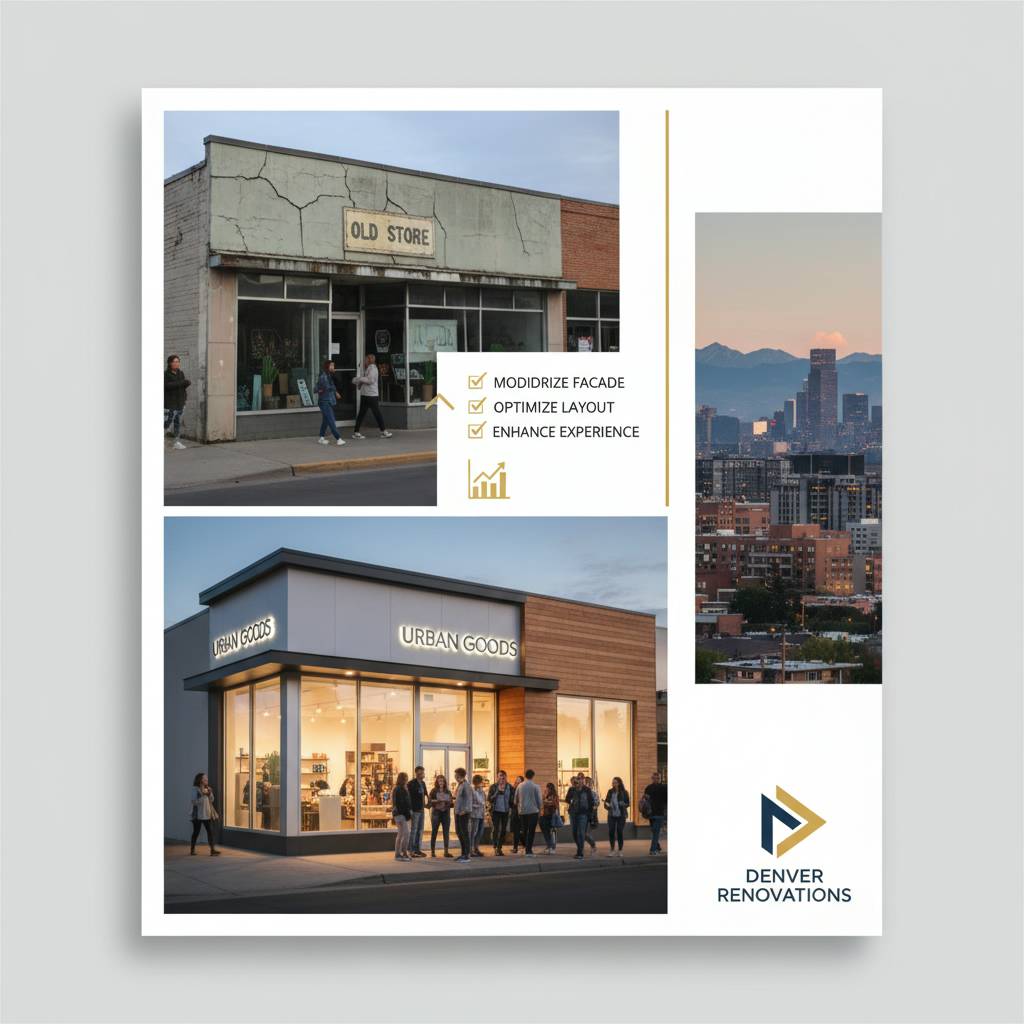 Successful renovations balance aesthetics, operations, and measurable outcomes. Start with a short checklist to align stakeholders: secure buy-in from operations for downtime windows, identify KPIs to measure before and after, and inventory fixtures and lighting for reuse. Engage frontline staff early-their insights into customer behaviors and pain points often reveal low-cost opportunities with high impact.
- Map customer pathways and highlight friction points.
- Define 2-3 clear KPIs such as conversion rate, dwell time, or average order value.
- Prototype with low-cost materials before committing to expensive builds.
- Use signage hierarchy: primary messages, secondary directions, tertiary details.
- Schedule renovations during low-traffic periods to minimize lost sales.
Lighting considerations deserve special attention: color temperature and uniformity affect mood and product perception. For example, warmer lights in apparel sections can enhance skin tones and fabric appearance, while cooler, high-CRI lighting is often preferred for fresh produce and detailed product inspection. Adjust lumen levels to balance clarity with ambiance rather than relying on a single uniform level throughout the space.
Common pitfalls and how to avoid them
Many projects fail not because the design is wrong, but because implementation neglects measurement or staff adoption. Avoid the trap of making wholesale changes without establishing a control baseline. Always record conversion metrics and traffic patterns before renovation and continue monitoring afterward. Without this data, attribution becomes anecdotal and it's difficult to know which intervention drove results.
Another common pitfall is over-signposting: too many signs compete for attention and create visual clutter. Aim for clarity and hierarchy. Use simple language, readable fonts, and consistent branding colors. For flow changes, test with temporary fixtures first-if customers respond positively, then invest in permanent construction. This reduces cost and increases the chance of achieving the targeted conversion uplift.
Frequently asked questions
How quickly will I see results?
Short-term interventions like lighting and signage changes often show measurable effects within 2-8 weeks as customers adjust and traffic patterns stabilize. Larger reconfigurations may take longer because they alter shopper behavior and inventory placement; measure over a 3-6 month window to capture full impact and seasonal variation.
How do I know which changes to prioritize?
Prioritize changes that reduce the biggest customer frictions and that affect the largest customer segments. Use sales heatmap data, front-line staff feedback, and direct observation to identify opportunities. If conversion or basket size is poor in a high-traffic area, focus there first-small changes in those zones tend to generate outsized returns.
Can I pilot renovations in one location before rolling out chain-wide?
Yes. Pilots are a recommended strategy for multi-location businesses. Use one or two representative sites as test beds, document results through standardized KPIs, and refine the intervention before a broader rollout. This approach helps control costs and provides documented proof that stakeholders can review.
Next steps and how Riley Riley Construction helps
We work with retailers and service providers to design interventions that are both practical and evidence-driven. Our process typically includes an initial site audit, prioritized recommendations, prototype implementation, and a measurement plan that quantifies the impact on conversions and average spend. If desired, we can manage full execution or deliver design packages for your operations team to implement.
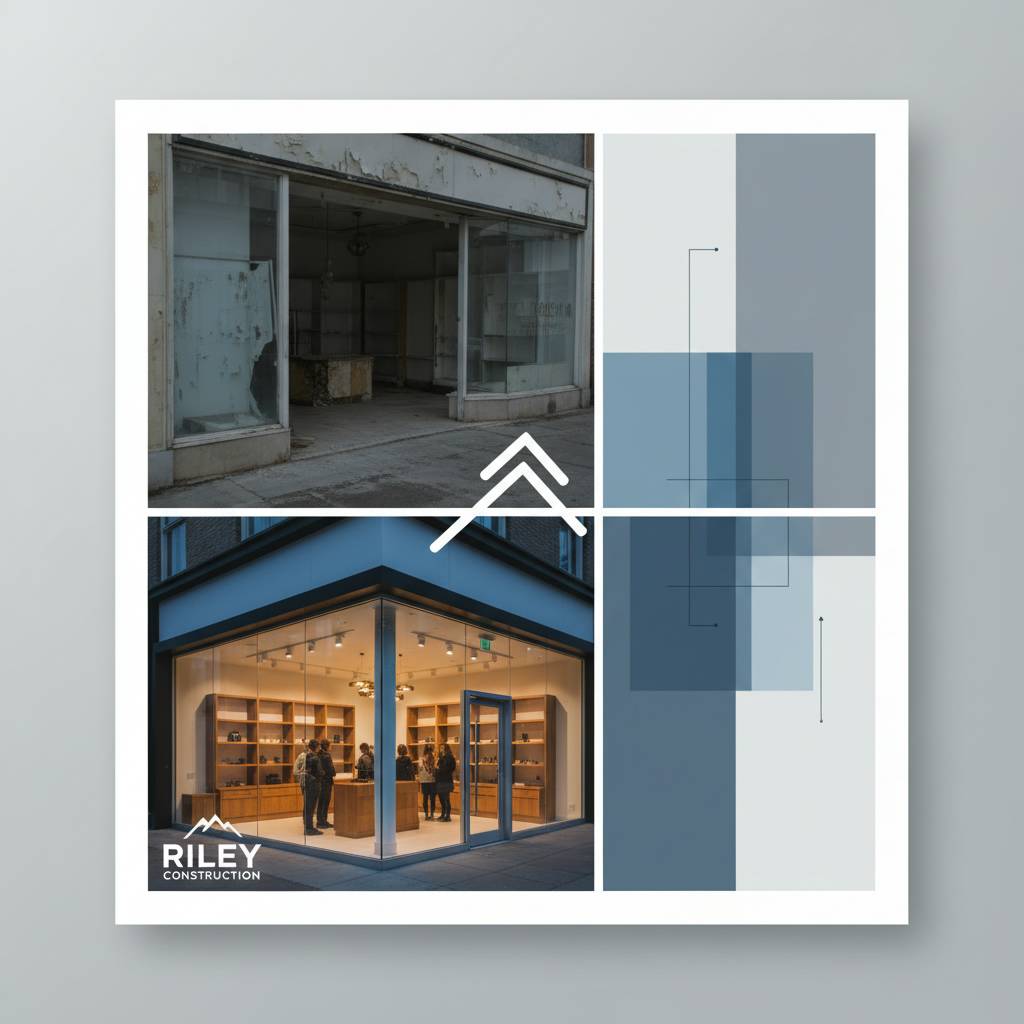
For a complimentary discovery conversation and to learn more about documented case studies showing how commercial renovations increase customer conversions, reach out to our team. Whether you need a quick signage refresh or a full-scale reconfiguration, we tailor solutions to your brand, budget, and operational constraints. Our goal is to deliver measurable revenue improvements while preserving the customer experience you've built.
If you're ready to explore renovation strategies, contact Riley Riley Construction at 17207828897 to set up a walkthrough and estimate. We'll outline a phased plan that fits your schedule and budget and provide projected ROI estimates based on similar projects in your sector.
Small, targeted changes to flow, lighting, and signage can transform a functional space into a conversion engine. At Riley Riley Construction, we combine observational insight, tested design principles, and measurable evaluation to help businesses capture more revenue from the same footprint. Call 17207828897 and let us show you the most effective next steps for your space.